Medicinal Fresh Fruit Waters

MEDICINAL FRESH FRUIT WATERS

Medicinal fresh fruit waters are traditional beverages made from water, fruits, herbs, or seeds that combine daily hydration with natural therapeutic properties. These drinks have been prepared for generations and even form part of the rituals and traditions of Native American cultures. For many families in Central and Latin America, they offer an excellent way to use up ripe fruit—often harvested right from the home garden.
Over time, other types of beverages—such as sodas, artificial juices, and even alcoholic drinks—became part of family meals.

Fortunately, many families still maintain the tradition of preparing fresh fruit waters to accompany their meals, especially during the summer, the hottest time of the year. Consequently, we still enjoy drinks that are widely consumed in our homes and businesses—such as rice (horchata), hibiscus water, cucumber and lime water, and even tejuino.

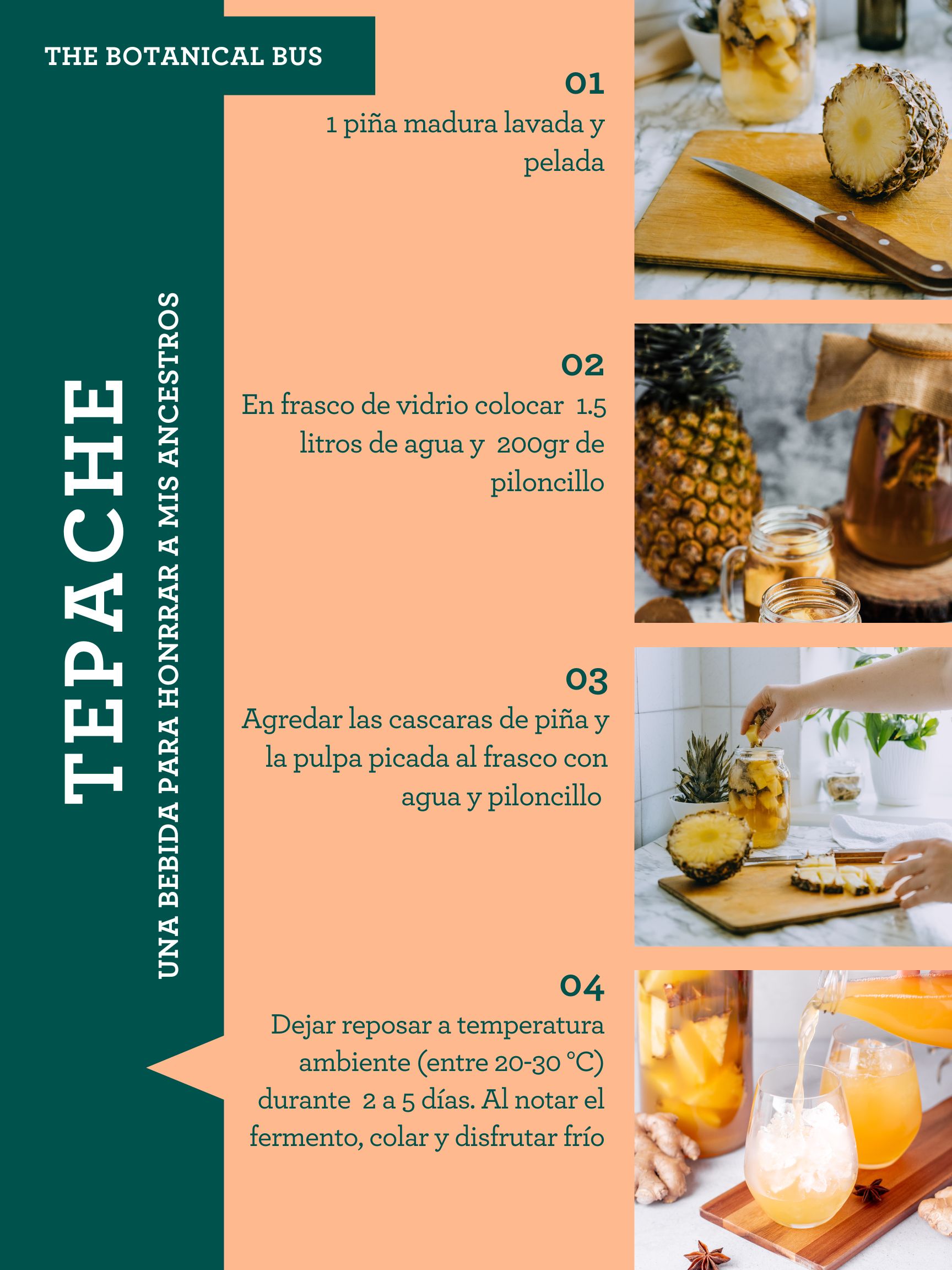
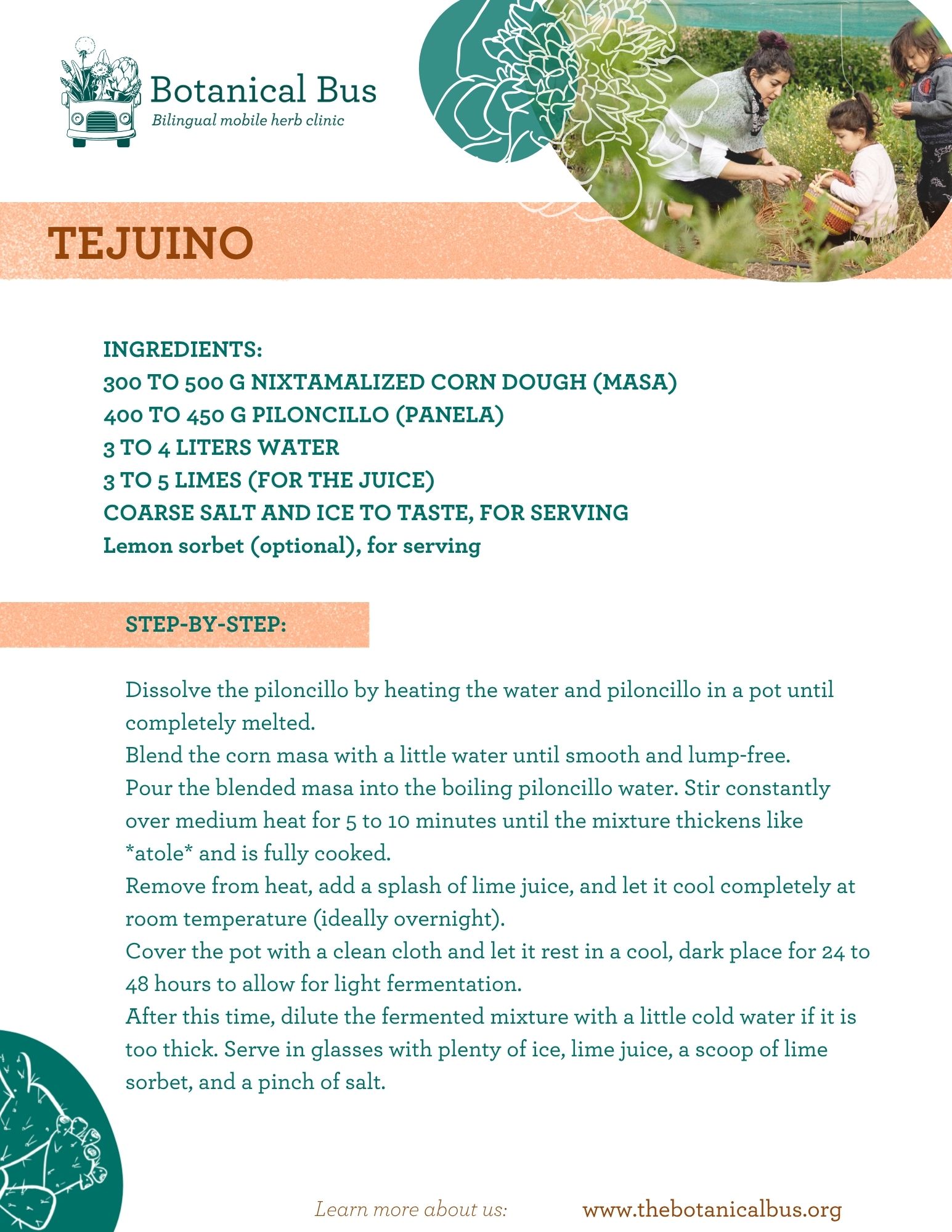
Tejuino is a traditional Mexican drink made from nixtamalized corn, unrefined cane sugar (piloncillo), and water; it is left to ferment for two to four days and is served with ice, Tajín seasoning, and lime juice or lime sorbet. It has a distinctive, refreshing sweet-and-sour profile resulting from the blend of piloncillo’s sweetness, the acidity of the lime, and salt. As a naturally fermented beverage, it provides lactic acid bacteria that act as probiotics, benefiting digestive health.

We must also mention Pozol, a traditional, ancient Mesoamerican drink made from nixtamalized corn dough and water, often with ground cacao added. It is a beverage that provides significant energy, fiber, protein, and microorganisms beneficial to health.
Travelers and farmworkers used to carry it as a ball of dough wrapped in banana leaves, dissolving it in fresh water during their workday, as it effectively satisfies both hunger and thirst. And, of course, it is also worth mentioning herbal drinks, such as alfalfa and lemon water.

Alfalfa and lemon water contains vitamins A, C, and K, as well as minerals like calcium, iron, and potassium, while the lemon boosts the intake of vitamin C and antioxidants. It has detoxifying and diuretic effects, contains fiber and compounds that aid digestion, and serves as an ideal restorative drink for replenishing energy or rehydrating after exercise.
In this way—by consuming drinks made from fruits, herbs, seeds, and even vegetables—we keep the traditions of our ancestors alive, remembering their rituals and honoring their wisdom.
 

Vegetarian recipes

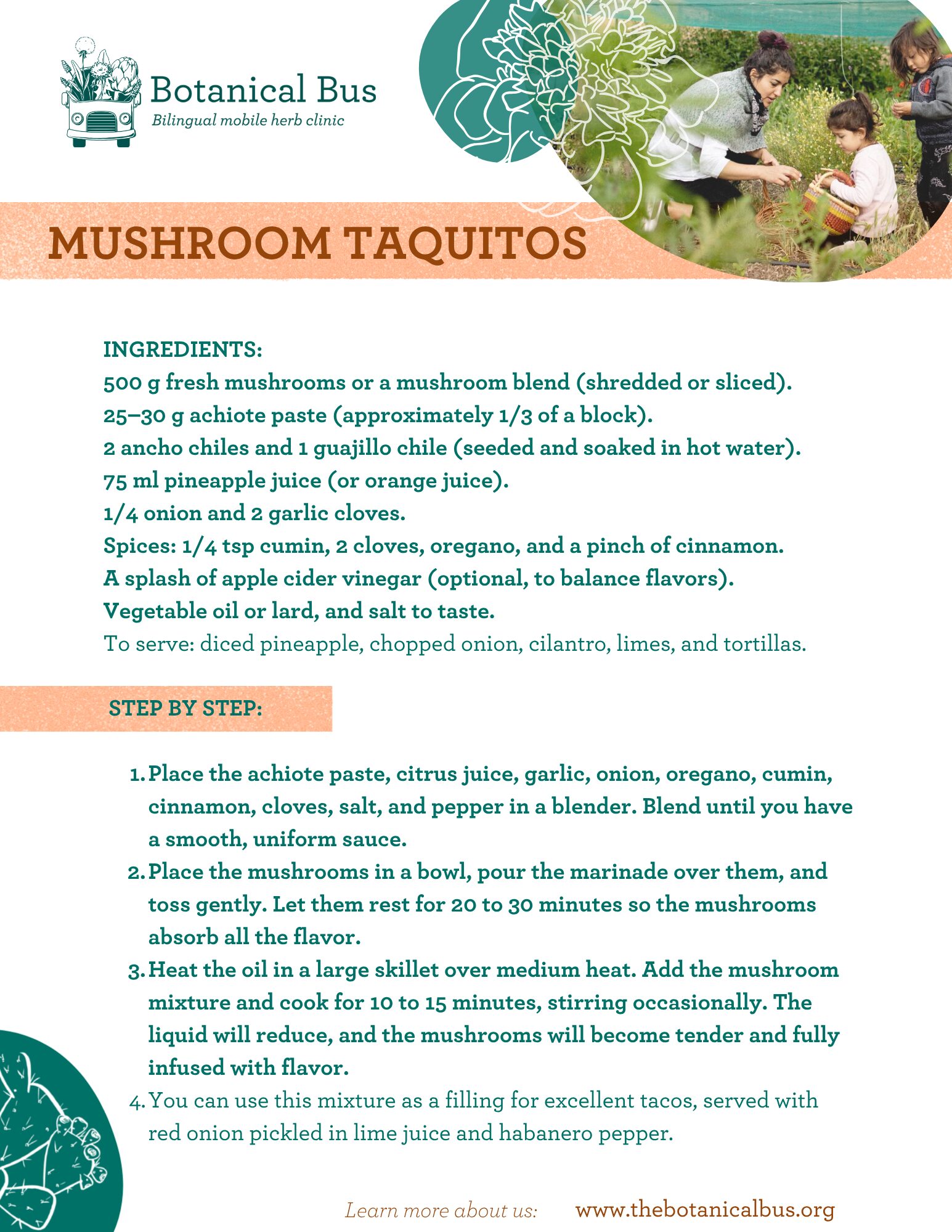
MUSHROOM TACOS

Mushrooms are a versatile, low-calorie superfood rich in plant-based protein, fiber, vitamins (B and D), and minerals such as potassium and selenium. They offer a natural umami flavor and provide direct benefits for cardiovascular and brain health. They contain beta-glucans—complex carbohydrates that stimulate and balance the body’s natural defenses—and are the only plant-based food source of vitamin D, which is crucial for calcium absorption and bone health.
Achiote is excellent for adding a natural reddish hue to dishes while imparting a slightly musky, sweet, and spicy flavor profile. Furthermore, studies show it is a powerful natural antioxidant (rich in bixin) that fights inflammation, helps control blood sugar levels, and aids digestion. It is the best choice for replacing artificial colorings in recipes such as *cochinita pibil*, marinated meats, rice dishes, and fish. For these reasons—and thanks to the versatility of both ingredients—small tacos featuring mushrooms in achiote marinade make an excellent plant-based option; they are rich in protein, potassium, and fiber, and provide a powerful natural antioxidant.


SALT-CURED NOPAL SALAD
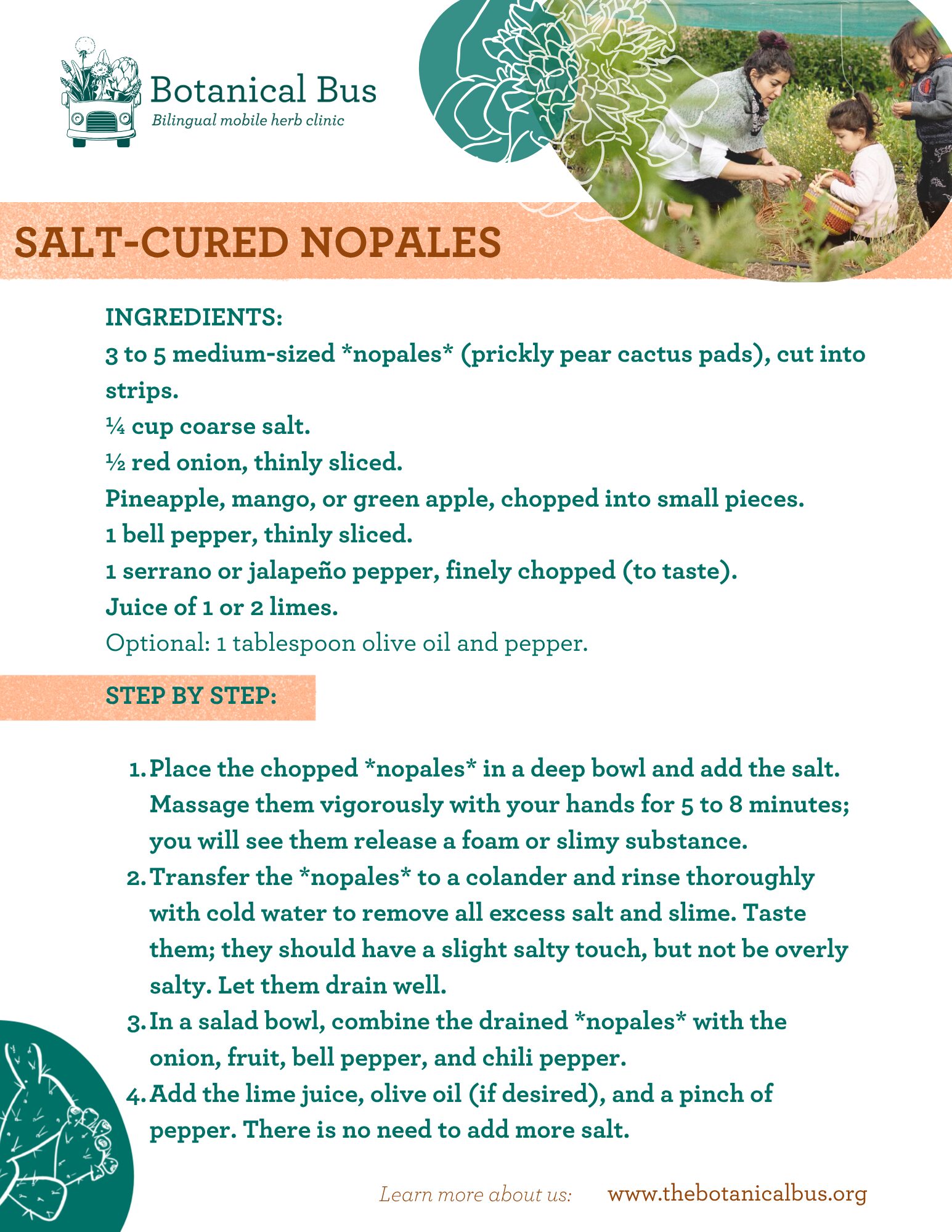
Nopales (prickly pear cactus pads) are a superfood low in calories and rich in fiber, vitamins (A, C, K), and minerals. Their benefits include regulating blood sugar, lowering LDL (“bad”) cholesterol, and improving intestinal transit. They contain bioactive compounds—such as flavonoids and vitamin C—that protect cells from oxidative damage and strengthen the immune system.
Salt-curing nopales eliminates their mucilage (the “slime”) without the use of heat, allowing them to be enjoyed completely raw and crisp. This method preserves their vitamins (such as vitamin C) intact, aids digestion, and helps maintain stable blood sugar and cholesterol levels.
They are perfect for adding directly to salads or broths, or for use as a topping for Mexican street snacks (*antojitos*). When combined with chili and lime, they make an excellent salsa option that not only adds a spicy kick but also delivers all the nutrients of the nopales in every bite.


LENTIL CEVICHE
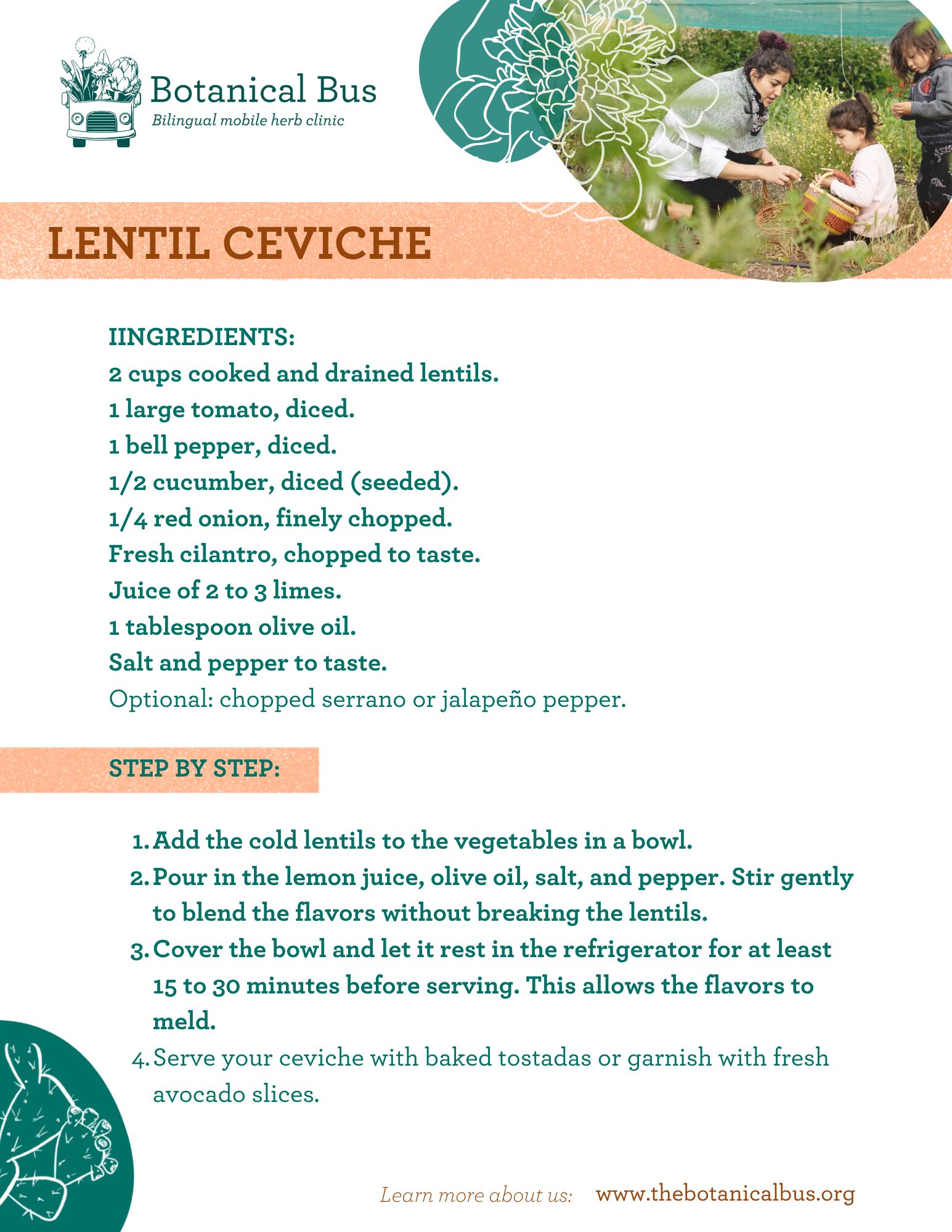
Lentil ceviche is not only a delicious, fresh dish that is incredibly easy to prepare, but every one of its ingredients is a superfood packed with vitamins, minerals, protein, and long-chain carbohydrates. These nutrients provide energy rather than the fatigue that often follows a meal.
Lentils are an affordable, versatile superfood. They stand out for their high plant-based protein content—which helps build muscle mass—as well as abundant fiber for improved digestion and blood sugar regulation, and iron to prevent anemia. They are also rich in folic acid.
Onion, tomato, and lime provide vitamin C, which aids in the better absorption of this plant-based protein.
Adding avocado and olive oil introduces a serving of healthy fats that support digestion and provide energy for cognitive processes. These fats also help keep skin hydrated, fight chronic inflammation, and protect cells from oxidative damage.


<- Back

Natural Deodorant

Deodorant is a daily personal care item, which is why knowing what materials it’s made from and the impact it can have on our health is so essential.

This time, we’ll make a deodorant that not only includes natural materials but also adapts to our needs. Because sweating is necessary and natural, but we can smell like roses or cypress if we want.

Each ingredient in the recipe has a specific purpose, allowing our body to sweat and eliminate toxins, while also preventing unpleasant odors, irritation, clogged pores, and even the risk of some diseases related to not being able to eliminate toxins from the body through sweating.

White, pink, or green clay:
Purifying agent that kills bacteria, eliminates odors, and absorbs sweat.

Baking soda:
Agent that neutralizes odors, absorbs moisture, whitens the skin, eliminates fungi, and creates an alkaline environment that inhibits bacteria.

Magnesium powder:
An agent that controls the growth of bacteria that cause body odor and absorbs sweat and sebum, leaving skin dry and smooth.

Fractionated coconut oil, calendula oil, or jojoba oil (depending on your skin type). You can also use pre-melted coconut oil or shea butter:
These natural oils and butters have antibacterial, antiseptic, antimicrobial, antifungal, and anti-inflammatory properties.

Melaleuca (tea tree) essential oil:
A quintessential antibacterial agent that eliminates the unpleasant odor of sweat caused by bacteria.

Lavender, Rose, Peppermint, or Cypress oil:
Essential oils that add a personal touch to our deodorant, resulting in a feeling of freshness or delight.


<- Back