What We Do
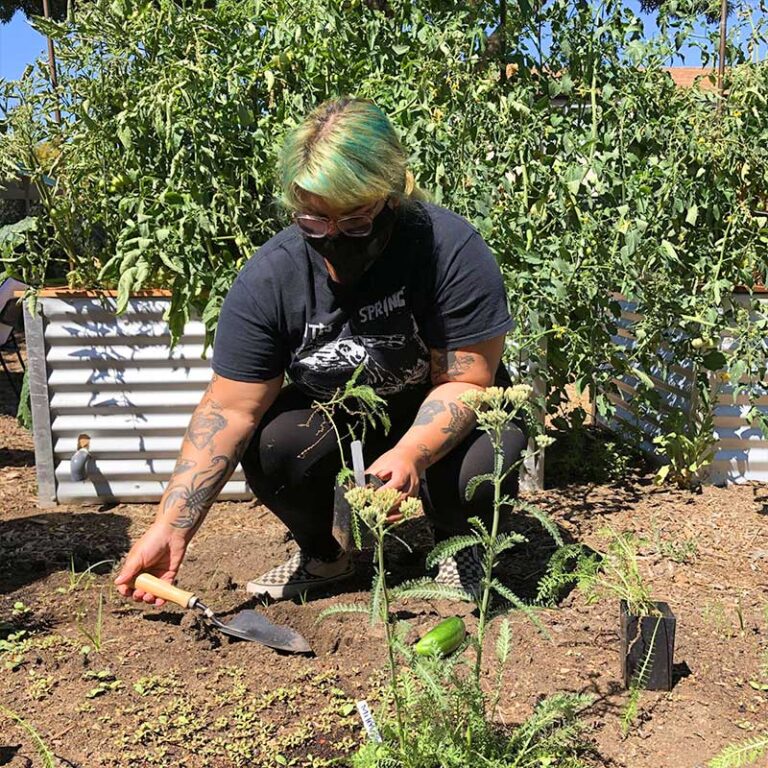
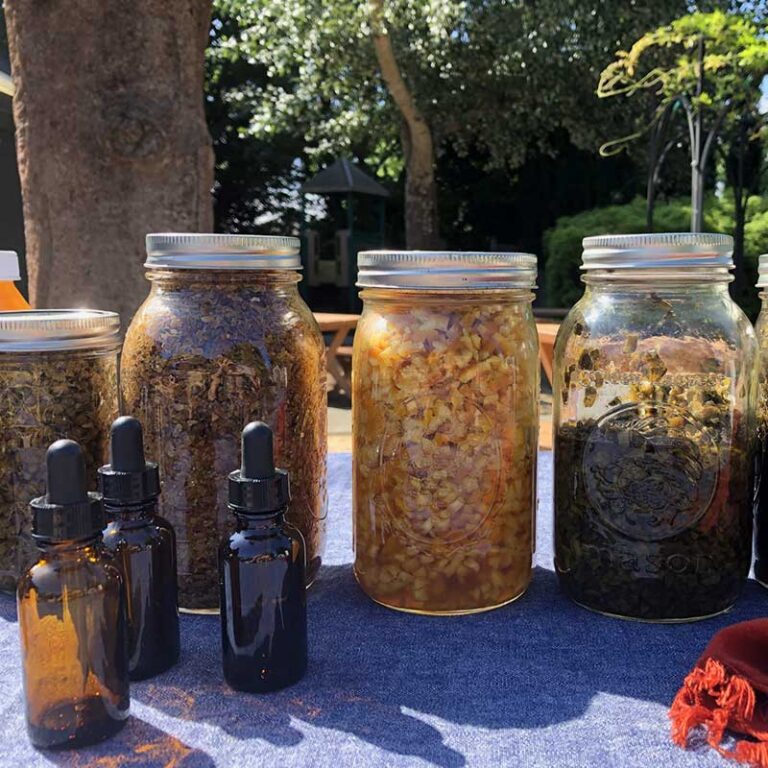
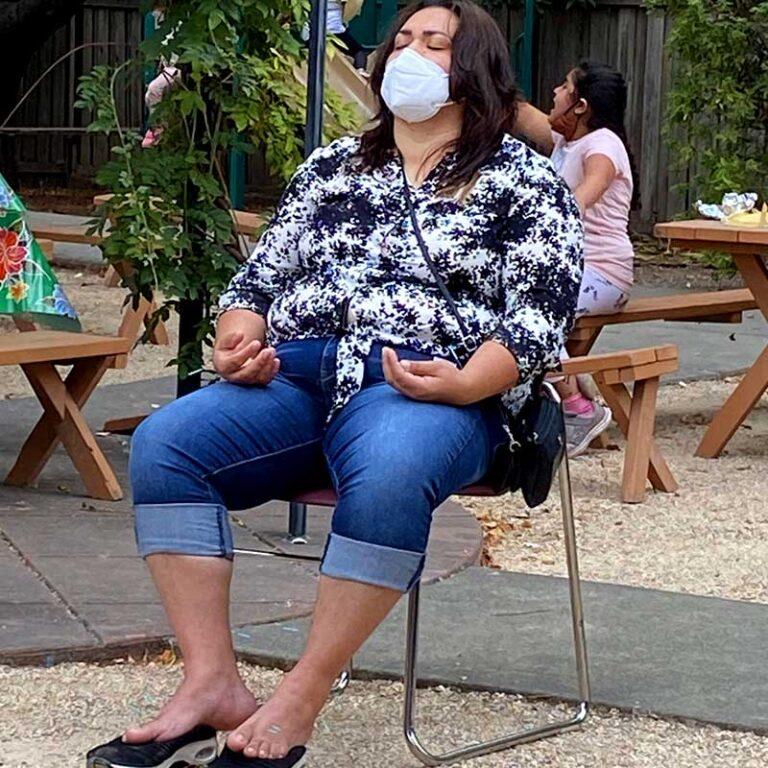
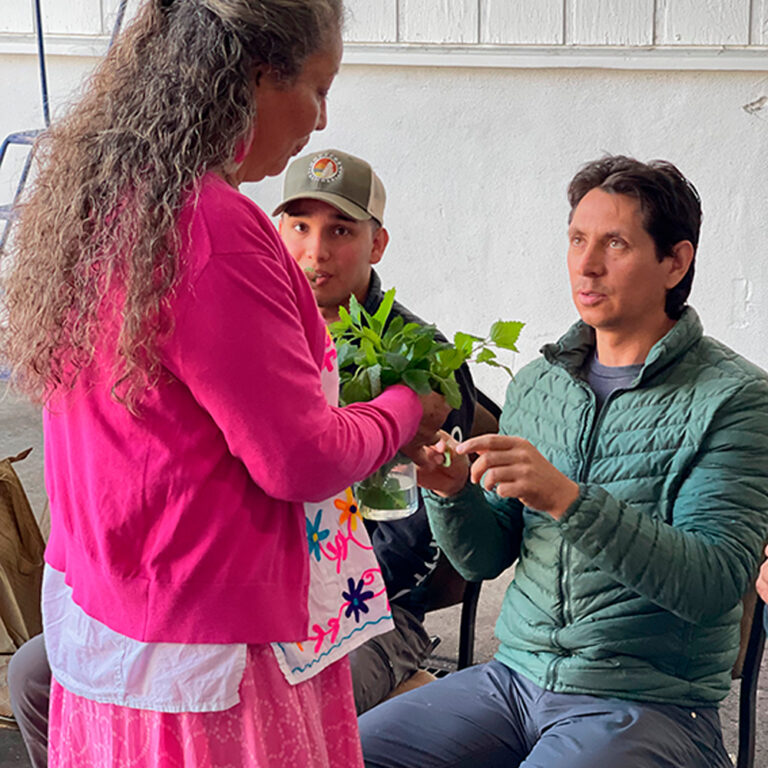
We expand access, reduce disparities, and improve health outcomes by advancing cultural belonging as a social determinant of health. Our mobile services, provided in partnership with Federally Qualified Health Centers and family service centers at community care hubs, include herbalism, nutrition, massage, acupuncture, foot care, art therapy, mindfulness, community circles, shared meals, food distribution and warm referrals into wrap-around care.
Access drives impact: 98% of participants report improved access to care. As barriers are overcome, trust, connection and self-determination grow. Nearly all participants report feeling recognized, respected, and connected to their culture and healing traditions, while gaining greater agency in caring for themselves and their families. Returning participants experience improved health outcomes, including a 20-percentage-point reduction in reported mental health symptoms. One participant shares, “At Botanical Bus clinics, I feel understood, accompanied, and empowered.”
Why it Matters
Latine and Indigenous immigrants face significant health disparities driven by systemic inequities, including barriers related to immigration status and fear of deportation. Among Botanical Bus participants, one in three screens positive for anxiety or depression, more than half live in households affected by type 2 diabetes, and 83% face barriers to primary care such as cost, system navigation, language, transportation, and cultural safety.
Our mobile services are place-based because access to health services is shaped by residential segregation, transportation barriers, and workplace conditions. Our programs are culturally-centered because healing justice requires valuing cultural knowledge, identity, and lived experience. Our services are collaborative because multi-sector, community-driven partnerships deepen engagement and build shared infrastructure for integrated care.